Posts

Showing posts with the label high cholesterol symptoms in urdu

Unmasking the Silent Threat: Symptoms of High Cholesterol

Image
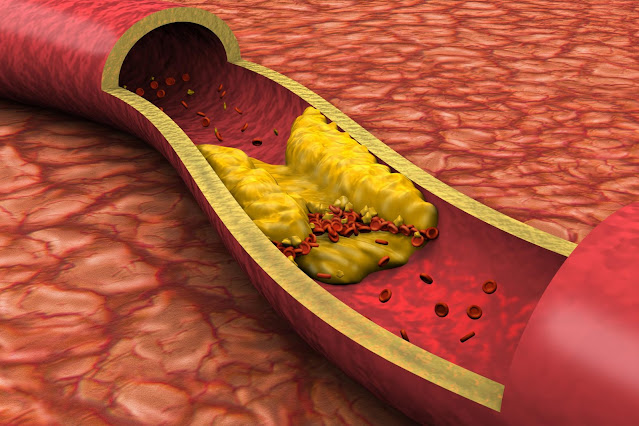
  Introduction : High cholesterol, often referred to as hypercholesterolemia, is a widespread health condition that affects millions of people globally. It is characterized by elevated levels of cholesterol in the blood, primarily low-density lipoprotein (LDL) cholesterol, which can lead to the development of atherosclerosis and increase the risk of heart disease and stroke. One of the challenges with high cholesterol is that it typically progresses without any noticeable symptoms, earning it the nickname "the silent killer." In this comprehensive guide, we will delve into the various aspects of high cholesterol, explore its underlying causes, and shed light on the subtle and not-so-subtle symptoms that may indicate its presence. Recognizing these symptoms is essential for early detection, which can significantly impact your heart health. Table of Contents: I. Understanding Cholesterol   A. What is Cholesterol? B. Cholesterol's Role in the Body C. Different Types ...

Everything You Should Know About High Cholesterol

Image
High cholesterol is a common health condition characterized by the presence of elevated levels of cholesterol in the blood. Cholesterol is a fatty substance that is naturally produced by the liver and is also obtained from certain foods. While cholesterol is essential for the normal functioning of the body, excessive amounts can lead to various health problems, particularly cardiovascular diseases such as heart disease and stroke. In this article, we will explore high cholesterol in detail, including its causes, risk factors, effects on health, and management strategies. Cholesterol is carried through the bloodstream by lipoproteins, which are composed of fat (lipid) and protein. There are two primary types of lipoproteins involved in cholesterol transportation: Low-Density Lipoprotein (LDL): Often referred to as "bad" cholesterol, LDL carries cholesterol from the liver to cells throughout the body. When LDL levels are high, it can lead to the buildup of ch...

Cholesterol Medicines: Types, Functions, and Considerations

Image
Introduction: Cholesterol-lowering medications, commonly referred to as cholesterol medicines or lipid-lowering drugs, play a vital role in the management of high cholesterol levels. These medications are prescribed to individuals who have not achieved their target cholesterol levels through lifestyle changes alone or who have specific risk factors for cardiovascular diseases. Cholesterol medicines work by targeting different aspects of cholesterol metabolism, helping to reduce low-density lipoprotein (LDL) cholesterol levels and minimize the risk of associated complications. In this article, we will explore the different types of cholesterol medicines, their functions, considerations for their use, and potential side effects. I.                   Statins : Statins are the most commonly prescribed class of cholesterol-lowering medications. They work by inhibiting an enzyme called HMG-CoA reductase...

Most Common Symptoms of high cholesterol

Image
High cholesterol is a condition that occurs when there is an excessive amount of cholesterol in the blood. Cholesterol is a waxy substance that is produced by the liver and is also found in certain foods. While cholesterol is necessary for the normal functioning of the body, too much of it can be harmful and increase the risk of various health problems, including heart disease and stroke. In many cases, high cholesterol does not cause any noticeable symptoms. Therefore, it is often referred to as a "silent" condition. The only way to determine if you have high cholesterol is through a blood test. However, there are some signs and symptoms that may be associated with high cholesterol, as well as complications that can arise from untreated high cholesterol. In this article, we will explore these symptoms and cholesterol in urdu . 1.       Xanthomas: Xanthomas are fatty deposits that develop under the skin, often around the eyes, tendons, and joints. These depo...

Most Common symptoms of high cholesterol

Image
High cholesterol is often referred to as a "silent" condition because it typically does not cause noticeable symptoms. In fact, individuals with high cholesterol can go years without realizing they have the condition. This is why regular cholesterol screening is essential for early detection and management. However, in some cases, high cholesterol may manifest certain signs or symptoms that are worth noting. It's important to understand that these symptoms are not specific to high cholesterol alone and can be associated with other health conditions as well. Here are some potential symptoms of high cholesterol: Xanthomas: Xanthomas are yellowish, fatty deposits that can develop on the skin. These deposits can appear as small bumps or lumps and are usually painless. Xanthomas commonly occur on the elbows, knees, buttocks, and tendons. They may be a sign of high cholesterol levels, specifically high LDL cholesterol. Xanthelasma: Xanthelasma is a spe...

High cholesterol - Symptoms and causes

Image
  High cholesterol is a condition in which there are excessive amounts of cholesterol in the blood. Cholesterol is a type of fat that is essential for the body's normal functioning, but high levels of cholesterol can increase the risk of heart disease and stroke. There are two main types of cholesterol: low-density lipoprotein (LDL) cholesterol, often referred to as "bad" cholesterol, and high-density lipoprotein (HDL) cholesterol, often referred to as "good" cholesterol.   High cholesterol is often caused by a combination of genetic and lifestyle factors, including a diet that is high in saturated and trans fats, a lack of physical activity, obesity, and smoking. There are several ways to manage high cholesterol, including lifestyle changes, medication, and in some cases, surgery. Lifestyle changes: Making certain lifestyle changes can help lower cholesterol levels and reduce the risk of heart disease. These changes may include: Eating a health...