Posts

Showing posts with the label cholesterol medicines

Best Cholesterol-lowering medications in Pakistan

Image
Cholesterol-lowering medications, also known as lipid-lowering drugs, are commonly prescribed to manage high cholesterol levels and reduce the risk of cardiovascular diseases. These medications are often used in conjunction with lifestyle modifications such as a healthy diet and regular exercise. In this article, we will discuss different classes of cholesterol medicines, their mechanisms of action, common examples, and potential side effects. Statins: Statins are the most widely prescribed class of cholesterol-lowering medications. They work by inhibiting an enzyme called HMG-CoA reductase, which plays a key role in cholesterol production in the liver. By reducing cholesterol synthesis, statins lower LDL (low-density lipoprotein) cholesterol levels and have modest effects in increasing HDL (high-density lipoprotein) cholesterol. Common examples of statins include: Atorvastatin (Lipitor) Rosuvastatin (Crestor) Simvastatin (Zocor) Pravastatin (Pravachol) L...
Most Common Symptoms of high cholesterol

Image
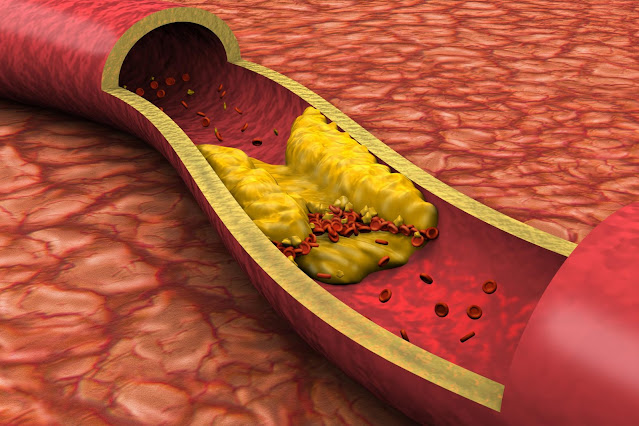
High cholesterol is a condition that occurs when there is an excessive amount of cholesterol in the blood. Cholesterol is a waxy substance that is produced by the liver and is also found in certain foods. While cholesterol is necessary for the normal functioning of the body, too much of it can be harmful and increase the risk of various health problems, including heart disease and stroke. In many cases, high cholesterol does not cause any noticeable symptoms. Therefore, it is often referred to as a "silent" condition. The only way to determine if you have high cholesterol is through a blood test. However, there are some signs and symptoms that may be associated with high cholesterol, as well as complications that can arise from untreated high cholesterol. In this article, we will explore these symptoms and cholesterol in urdu . 1.       Xanthomas: Xanthomas are fatty deposits that develop under the skin, often around the eyes, tendons, and joints. These depo...

Most Common symptoms of high cholesterol

Image
High cholesterol is often referred to as a "silent" condition because it typically does not cause noticeable symptoms. In fact, individuals with high cholesterol can go years without realizing they have the condition. This is why regular cholesterol screening is essential for early detection and management. However, in some cases, high cholesterol may manifest certain signs or symptoms that are worth noting. It's important to understand that these symptoms are not specific to high cholesterol alone and can be associated with other health conditions as well. Here are some potential symptoms of high cholesterol: Xanthomas: Xanthomas are yellowish, fatty deposits that can develop on the skin. These deposits can appear as small bumps or lumps and are usually painless. Xanthomas commonly occur on the elbows, knees, buttocks, and tendons. They may be a sign of high cholesterol levels, specifically high LDL cholesterol. Xanthelasma: Xanthelasma is a spe...

High Cholesterol | How to lower cholesterol levels

Image
High cholesterol is a condition in which there is too much cholesterol in the blood. Cholesterol is a type of fat that is essential for the body's normal functioning, but high levels of cholesterol can increase the risk of heart disease and stroke. High cholesterol does not usually cause any symptoms, which is why it is often referred to as a "silent" condition. The only way to know if you have high cholesterol is to have a blood test called a lipid profile. However, there are some signs and symptoms that may indicate high cholesterol levels in some cases. Here are some of the symptoms of high cholesterol: 1.       Xanthomas: Xanthomas are deposits of cholesterol that appear as small, yellowish bumps or plaques on the skin. They usually occur around the eyes, on the elbows, or on the knees. Xanthomas can be a sign of high cholesterol, but they can also occur in people with normal cholesterol levels. 2.       Tendinous xanthomas: The...

High Cholesterol: Symptoms, Causes and Treatment

Image
High cholesterol is a common health problem that affects many people around the world. It can lead to various health issues such as heart disease, stroke, and other cardiovascular problems. While lifestyle changes such as diet and exercise can help to manage high cholesterol, medication is often necessary to control it. One of the most common forms of medication for high cholesterol is tablets. In this article, we will discuss everything you need to know about tablets for high cholesterol. What are Tablets for High Cholesterol? Tablets for high cholesterol are medications that are specifically designed to help reduce the amount of cholesterol in the blood. There are several types of tablets available that work in different ways to reduce cholesterol levels. The most common types of cholesterol-lowering tablets include: Statins: Statins are a type of medication that work by blocking the enzyme that produces cholesterol in the liver. This results in a reduction of LDL (ba...

High cholesterol - Symptoms and causes

Image
  High cholesterol is a condition in which there are excessive amounts of cholesterol in the blood. Cholesterol is a type of fat that is essential for the body's normal functioning, but high levels of cholesterol can increase the risk of heart disease and stroke. There are two main types of cholesterol: low-density lipoprotein (LDL) cholesterol, often referred to as "bad" cholesterol, and high-density lipoprotein (HDL) cholesterol, often referred to as "good" cholesterol.   High cholesterol is often caused by a combination of genetic and lifestyle factors, including a diet that is high in saturated and trans fats, a lack of physical activity, obesity, and smoking. There are several ways to manage high cholesterol, including lifestyle changes, medication, and in some cases, surgery. Lifestyle changes: Making certain lifestyle changes can help lower cholesterol levels and reduce the risk of heart disease. These changes may include: Eating a health...

What Symptoms Are Associated with a High Cholesterol Level?

Image
If you are worried about your cholesterol levels, you may be curious about the symptoms of high cholesterol. You are not alone. It is estimated that one out of every five adults has some form of elevated cholesterol levels in their blood. This is a serious health condition that requires immediate attention. Smoking Smoking is an established risk factor for several cardiovascular diseases, including heart attack and stroke. Additionally, it harms blood vessels. By quitting smoking, you can reverse some of its negative effects. However, the best way to get started is to discuss your options with your doctor. He or she can recommend resources and assist you in quitting. Numerous studies have demonstrated that quitting smoking reduces cholesterol levels. High density lipoprotein, or HDL cholesterol, can increase by 30 percent within three weeks of quitting smoking. LDL, or low density lipoprotein, rises slightly while VLDL, or very low density lipoprotein, falls. Nonetheless, you ...

What Are the Symptoms of High Cholesterol?

Image
High cholesterol is a disease that can be fatal, but there are ways to lower the levels. For starters, there are some things you can do to reduce the amount of triglyceride and cholesterol in your body. Another way is to eat healthy. Triglyceride levels The blood triglyceride level is a very important marker of heart health. You should have your triglyceride levels checked every five years to ensure they are in a healthy range. If they are not, you should make changes to your diet, exercise, and lifestyle. High triglyceride levels can increase the risk of atherosclerosis, which is a buildup of fat in the arteries that can increase your risk of heart disease and stroke. They can also be a sign of metabolic syndrome, which is a group of conditions that increase the risk of developing diabetes and cardiovascular disease. Triglycerides are caused by eating foods high in fat and calories. They can be lowered by eating fewer calories and increasing your activity level. Losing weight ...